6 Best BlueTally Alternatives for ITAM in 2026
Looking for BlueTally alternatives in 2026? I tested 6 top ITAM tools like Asset Management for Jira, Snipe-IT, and Teqtivity for features, pricing, and Jira integration.

Colin Reed
IT Expert and Content Writer
Last Updated

You probably started your IT asset management (ITAM) journey with a tool like BlueTally. It's known for being clean, simple, and an improvement over spreadsheets. But as your company grows, so do your needs. Now you're juggling hundreds of devices, complex software licenses, and an IT team that pretty much lives inside Jira.
The tool that was once a perfect fit may start to feel limiting. You might need deeper Jira integration to avoid switching tabs, better automation that syncs with device management tools, or a way to link assets directly to support tickets for faster resolution. This is a common scenario, especially as manual tools struggle to keep up with growth.
That's why I tested some of the most popular BlueTally alternatives out there. This is a look at how these tools work, especially for teams that depend on Jira. Let's review the options.
What is IT asset management (ITAM)?
IT asset management (ITAM) software is a central hub for tracking all your company's tech gear from the day you buy it to the day you retire it. This includes hardware like laptops and phones, software licenses, accessories, and consumables. Instead of a spreadsheet that can quickly become outdated, ITAM software provides a single source of truth.
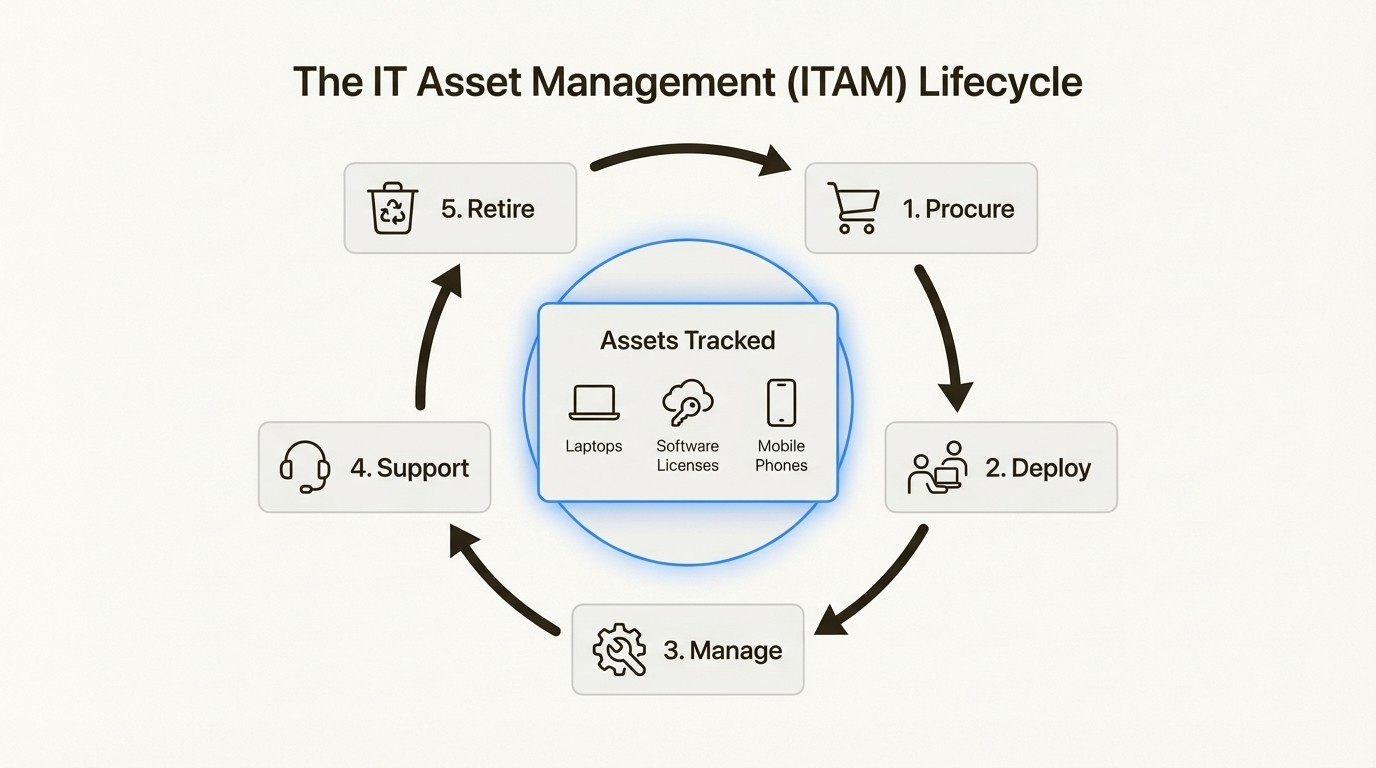
An infographic explaining the five stages of the IT asset management lifecycle, a core function of bluetally alternatives.
It helps you see who has what, where it is, and what it's costing you. A good ITAM tool automates tasks, like logging new devices from an MDM, sending alerts for expiring warranties, and helping you track software license usage. The goal is to save time, reduce costs, and avoid issues related to lost equipment or compliance audits.
How we picked the best BlueTally alternatives
To create this list, I used specific criteria. The focus wasn't just on the length of feature lists. Instead, the focus was on key factors for teams upgrading from a platform like BlueTally.
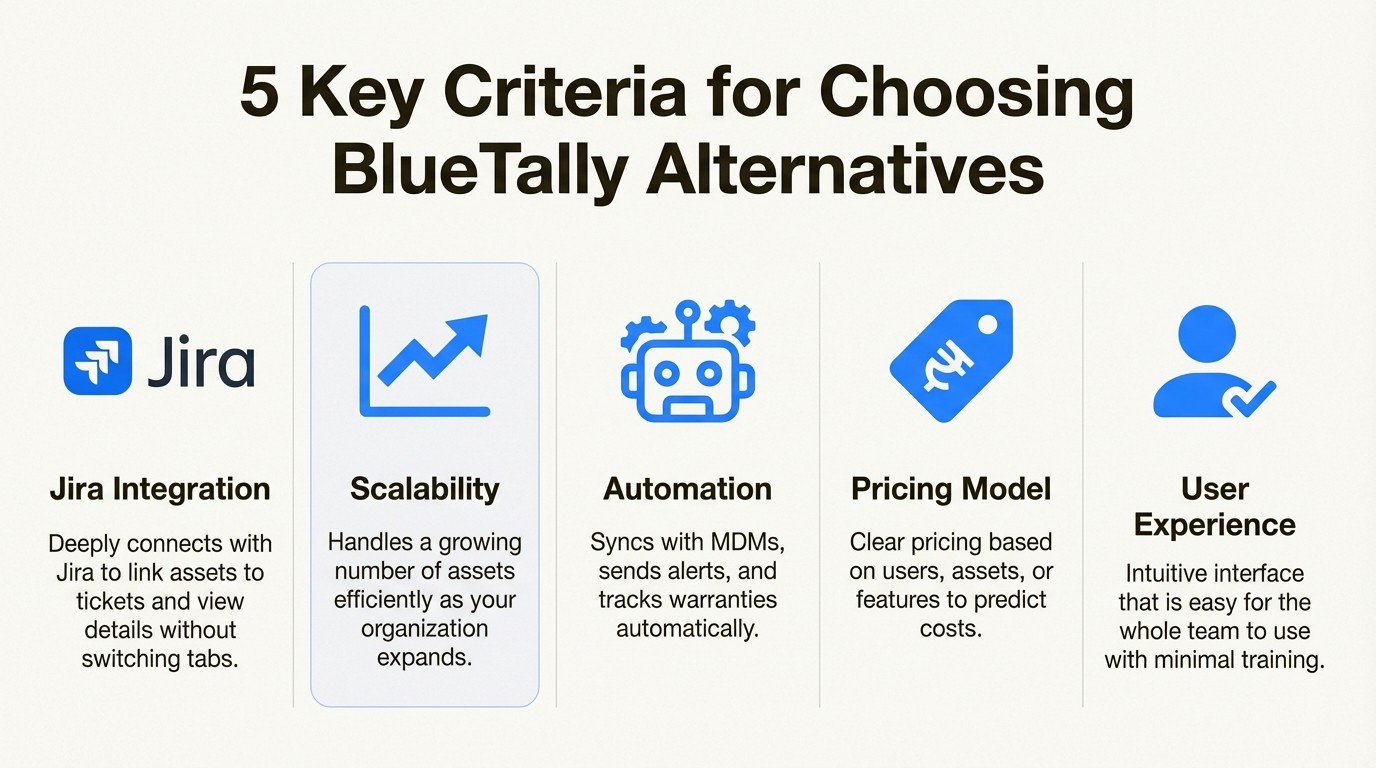
Here’s what I looked for:
Jira integration: How well does it integrate with Jira? This review prioritized tools offering more than a surface-level connection. The evaluation looked at the ability to link assets to tickets, view asset details within Jira, and use that information in a service desk environment.
Scalability: Can it grow with you? A good alternative should handle a large number of assets efficiently as the organization grows.
Automation: The review considered tools that automate tasks like syncing devices from MDMs (such as Microsoft Intune or Jamf), sending low-stock alerts, or tracking warranty expirations.
Pricing model: How do they charge? The evaluation checked whether pricing is based on users, assets, or features, as this can affect the total cost during scaling.
User experience: Is it easy for the whole team to use? Tools with a clean, intuitive interface that require minimal training were noted.
BlueTally alternatives comparison at a glance
Here’s a quick rundown of the tools we’re about to dive into. This should give you a high-level idea of where each one shines and how they stack up.
Tool | Best For | Jira Integration | Key Differentiator | Starting Price |
|---|---|---|---|---|
Asset Management for Jira | Teams that live in Jira | Native (built inside Jira) | Manages all assets without ever leaving the Jira interface | $10/month (up to 10 users) |
Teqtivity | Mid-sized to large orgs | Plugin for viewing and updating assets in tickets | Full lifecycle management and cross-department workflows | $79/user/month |
Snipe-IT | Budget-conscious teams with tech resources | Via 3rd-party Marketplace app | Open-source, self-hostable, and highly customizable | Free (self-hosted) |
Workwize | Global & remote teams | Not mentioned | Focus on physical logistics (warehousing and deployment) | €7 per seat/month (+ platform fee) |
Reftab | Teams needing high customization | Cloud plugin | Flexible asset-based pricing and custom fields | Free (50 assets) or $31.25/month (250 assets) |
Lansweeper | Network-heavy IT environments | Official Marketplace apps | Powerful, agentless network discovery to find all devices | Free (100 assets) or from $199/month |
A closer look at 6 top BlueTally alternatives in 2025
Alright, let's get into the nitty-gritty. Here’s an honest look at what each platform offers, where it shines, and who it’s really for.
1. Asset Management for Jira
For teams that work primarily within Jira, Asset Management for Jira (AMFJ) is a native solution. It is not a separate tool that integrates with Jira; it is built to operate inside Jira. This allows users to see which laptop a support ticket is about or check a software license before approving a request without leaving the Jira dashboard. It functions as an ITAM solution within Jira.
Getting started involves importing existing assets with a CSV file or syncing them directly from MDM tools like Microsoft Intune, Jamf, or Kandji. This keeps your inventory up-to-date withoutanyone having to type in data manually. For support teams, a key feature is the ability to link assets directly to Jira issues. When a ticket comes in, you can immediately see the user's device history, warranty info, and any past problems. That kind of integration can help your team resolve tickets up to 34% faster.
The native Jira experience is a primary feature. This can save time and centralizes information, which is useful for reporting and audits. As an Atlassian Gold Marketplace Partner, the app is also Cloud Fortified, which means it meets Atlassian's top standards for security and reliability. It requires Jira to function. For companies that use Jira, this can be a streamlined solution.
Standard Edition: Starts at $10/month for up to 10 users, with tiered pricing like $2.85/user/month for up to 100 users. Includes core asset, accessory, and license management.
Advanced Edition: Starts at $20/month for up to 10 users and adds features like role-based access control, backups, and API access.
2. Teqtivity
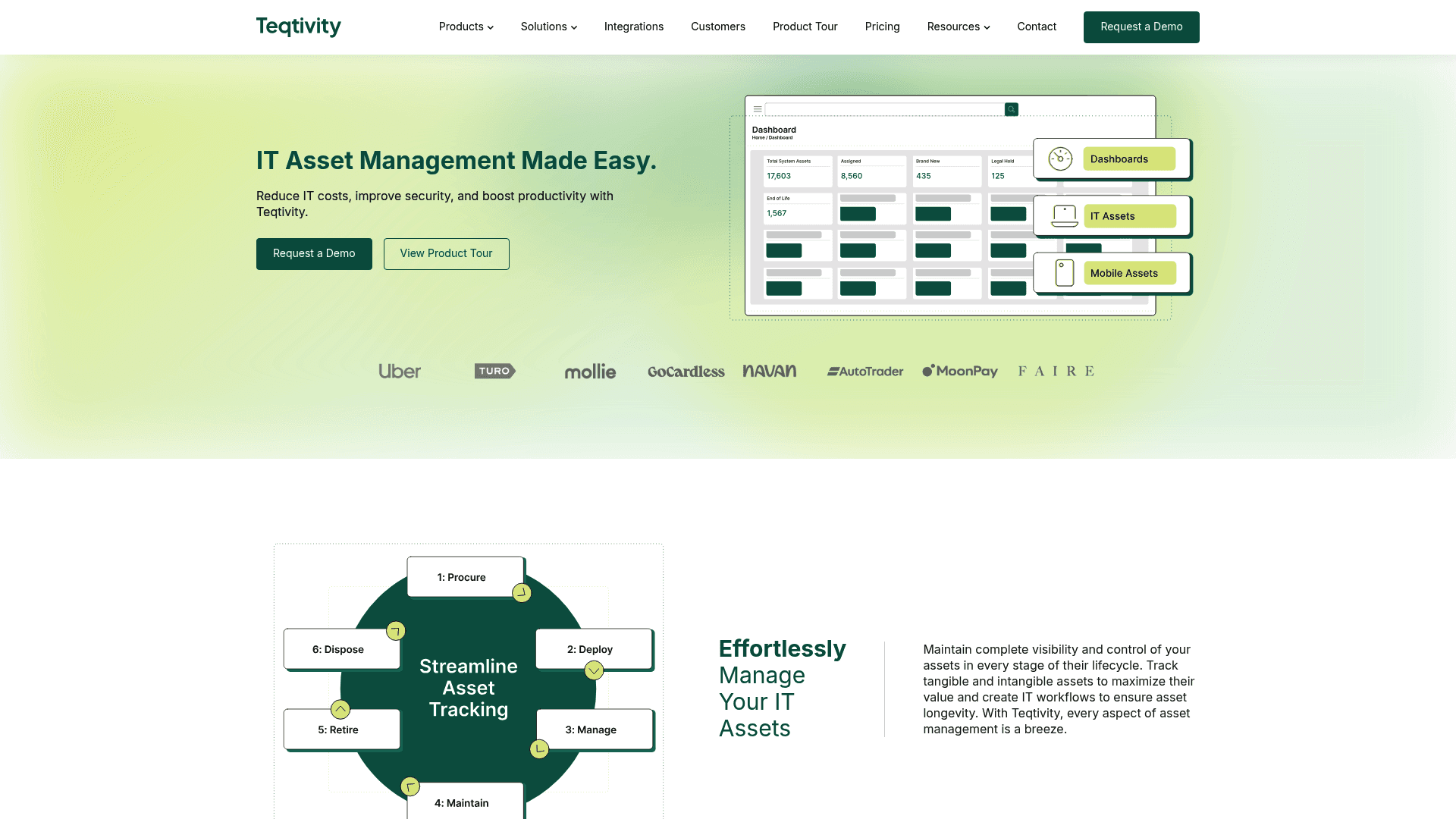
Teqtivity is designed for organizations that need a tool to serve multiple departments, not just IT. It is a platform with features for HR, procurement, and finance, like detailed workflows for employee onboarding and offboarding.
Its Jira integration comes as a plugin on the Atlassian Marketplace, letting you view, assign, and update asset statuses from within Jira tickets. While it's useful for context, it isn't a native experience; the main asset management work still happens on the separate Teqtivity platform. Its reporting provides insights into spending trends and total cost of ownership.
While Teqtivity is powerful, it may be more than what is required for smaller teams focused on asset tracking within Jira. As a platform for multiple departments, it may have a steeper learning curve, and the per-user pricing model should be considered for larger teams.
Tools for Growth Plan: Starts at $79 per user, per month, and includes unlimited assets, workflows, and integrations.
3. Snipe-IT

Snipe-IT is an open-source option for users who want more control and have technical resources. Because it is open-source, it can be self-hosted for free, which is an advantage for budget-conscious organizations. It handles all the core ITAM functions well, letting you track hardware, software licenses, accessories, and consumables.
A key advantage is its flexibility; it can be customized with the necessary technical skills. The trade-off for the free self-hosted version is the time and resources required for setup, hosting, and maintenance. They do offer paid hosting, but the self-hosted version is its main draw. The Jira integration isn't built-in; it's available through a third-party app from codefortynine, which lets you manage assets from Jira issue fields.
Self-hosted: Free (if you bring your own server).
Hosted Plans: Start from $39.99 per month (or $399.99/year) for basic hosting.
Support Plans: Optional support for self-hosted setups starts at $449.99 per year.
4. Workwize
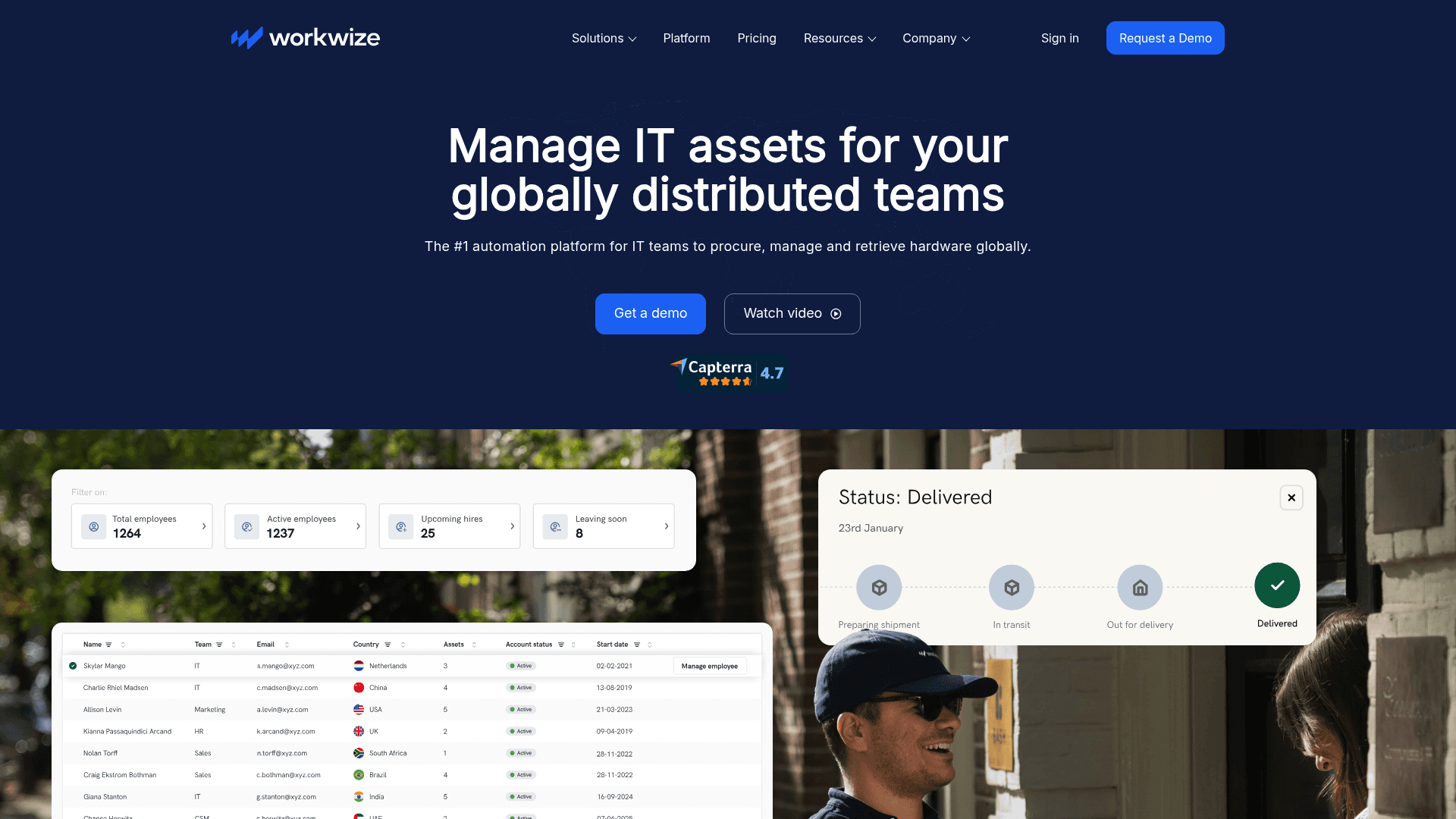
Workwize has a specific focus: the physical side of IT asset management, especially for global or remote-first companies. It is a platform for procuring, deploying, and retrieving equipment, offering services like global warehousing and data wiping.
This can be a benefit for companies managing the hardware lifecycle for a distributed team. You can use their platform to buy or lease gear and have it shipped straight to a new employee. The available information does not mention direct Jira integration, so it would likely run separately from your service desk. This could be a consideration for teams who prefer to centralize tools in Jira.
Basic Plan: Starts at €7 per seat, per month, plus a €499 platform fee.
Professional Plan: Starts at €10 per seat, per month, plus a €499 platform fee.
5. Reftab
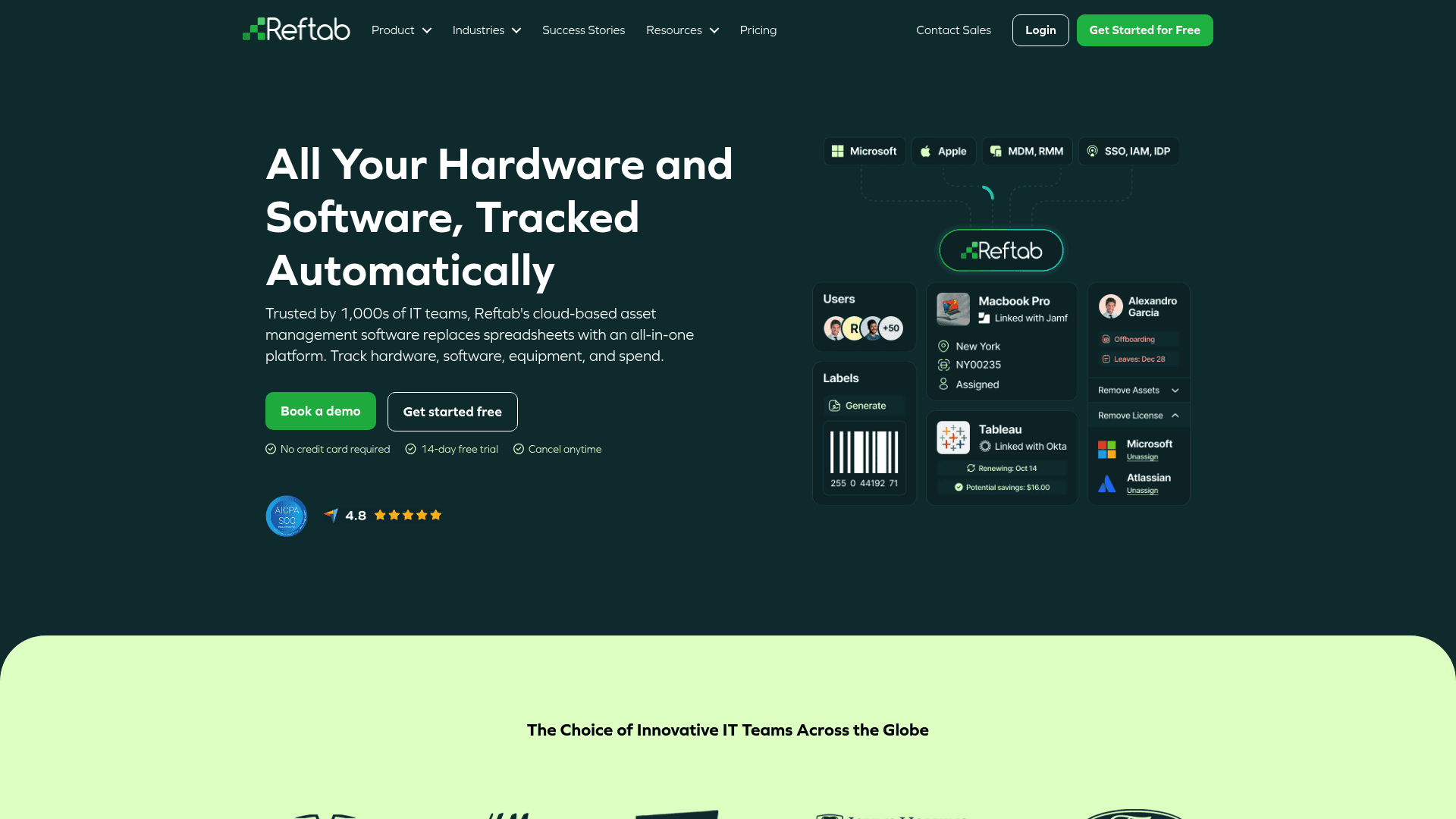
Reftab is known for its flexibility. It is an ITAM tool used in various industries, largely due to its customization options. You can create as many custom fields as you want, design your own QR code asset tags, and build automated workflows for things like scheduling maintenance.
Its mobile app allows for checking equipment in and out remotely. Reftab has a Jira Cloud plugin that shows asset details right inside Jira tickets, giving support agents helpful context. But like Teqtivity, it’s not a native Jira tool, so you’ll still be managing your main asset database on a different platform. Its pricing is based on the number of assets, which is a different model from user-based plans and can affect costs as inventory grows.
Free Plan: Manage up to 50 assets forever.
Starter Plan: Starts at $31.25 per month (billed annually) for 250 assets. Higher tiers add more features and integrations.
6. Lansweeper
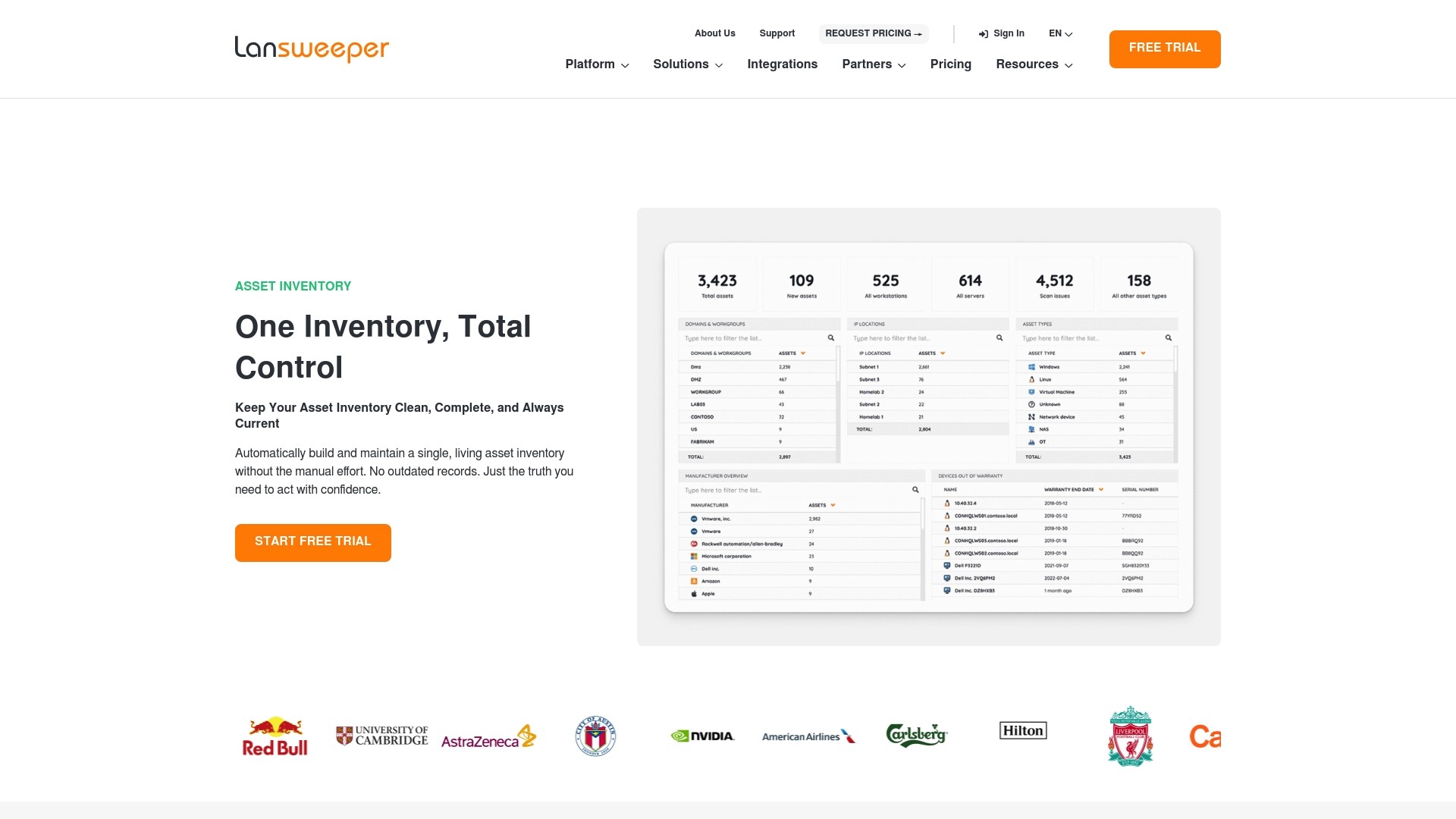
Lansweeper's key feature is its powerful, agentless network discovery. It automatically scans your network to find and identify every single connected device—laptops, servers, printers, you name it. This provides a method for getting a complete inventory with minimal manual effort.
This scanning capability is its main strength, offering detailed technical data for IT and security teams. However, Lansweeper is a technical tool. For teams that primarily need check-in/check-out functionality, its features may be more extensive than required. It offers two different apps on the Atlassian Marketplace: one to sync assets into Jira and another for ticket enrichment, which requires careful setup.
Free Plan: Up to 100 assets.
Starter Plan: Starts at $199/month (billed annually) for up to 2,000 assets.
How to choose the right BlueTally alternative
Choosing a new tool can be simplified by answering one question: Where does your team do its work?
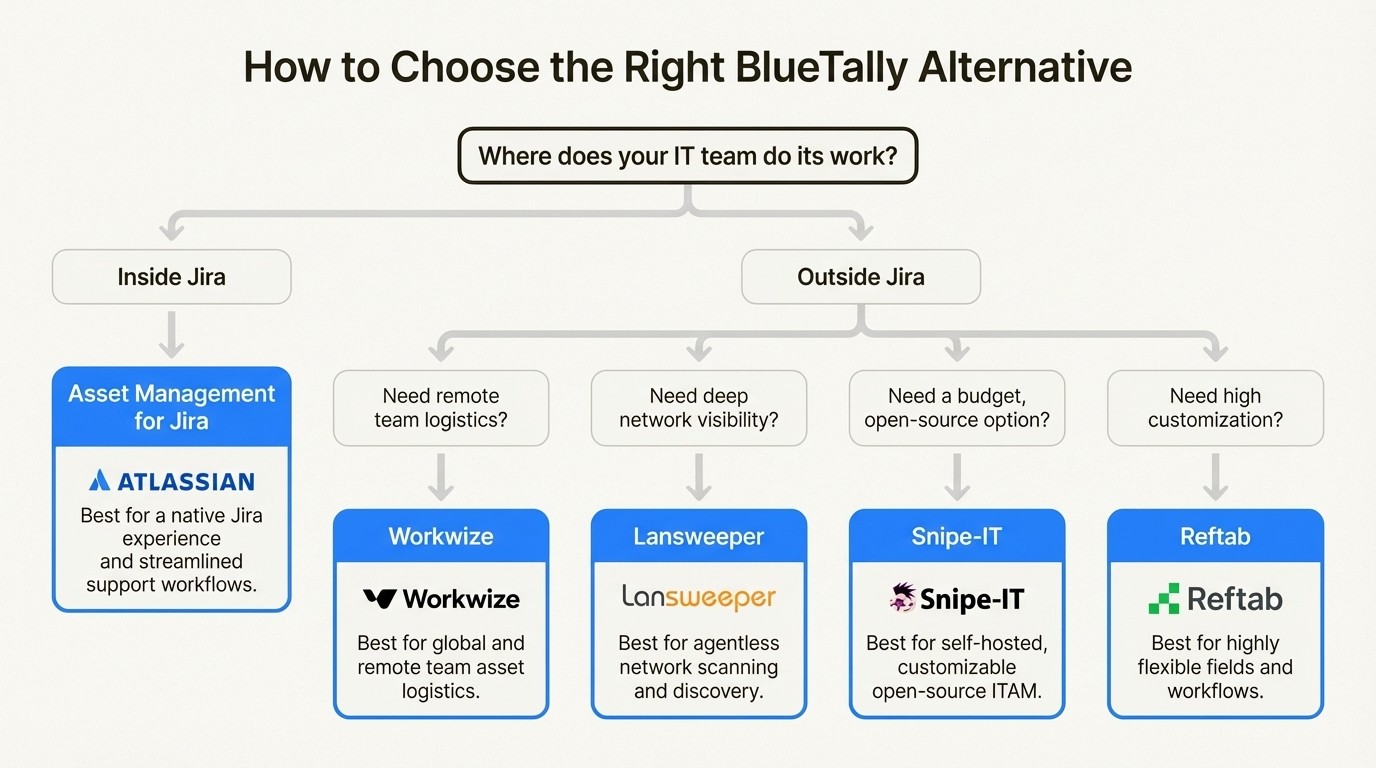
If your IT and support teams work primarily in Jira, a native solution like Asset Management for Jira can be a good choice. The time saved by not switching between apps can be significant, and having asset data within tickets can streamline the support process.
To see how these concepts apply in practice, this video provides a walkthrough of ITAM implementation best practices, which can help frame your decision-making process.
A video walkthrough of best practices for a successful ITAM implementation.
If Jira is not your team's primary tool, the choice depends on your specific needs.
For remote team logistics, consider Workwize.
For deep network visibility, Lansweeper is an option.
For teams on a budget with in-house technical skills, Snipe-IT is a viable option.
For extensive customization for different asset types, Reftab offers flexibility.
The goal is to select a tool that solves your specific problems without overcomplicating your workflow.
Summary
Moving on from a tool like BlueTally often indicates growth. While there are many standalone ITAM platforms, a practical approach is to choose one that integrates with your existing workflow. For companies that use the Atlassian platform, this could mean finding a BlueTally alternative that brings asset management into that environment.
For those looking to move away from spreadsheets and separate apps, Asset Management for Jira is a native Jira option designed to centralize information.
Frequently Asked Questions
Q1: What is the main reason teams look for BlueTally alternatives?
A1: Teams usually start looking for BlueTally alternatives when they outgrow its simplicity. As a company scales, they often need deeper Jira integration, more powerful automation for things like device syncing, and the ability to link assets directly to support tickets to speed up their workflow.
Q2: Are there any free BlueTally alternatives available?
A2: Yes, there are. Snipe-IT is a great open-source option that you can host yourself for free, provided you have the technical know-how to set it up and maintain it. Other tools like Reftab and Lansweeper also offer free plans for a limited number of assets, which can be perfect for smaller teams.
Q3: Which of these BlueTally alternatives is best for a team that uses Jira heavily?
A3: If your team lives in Jira, Asset Management for Jira is the clear winner. It's built inside Jira, not just integrated with it. This means you can manage all your assets, link them to tickets, and view device history without ever leaving your Jira dashboard, which saves a ton of time.
Q4: How important is Jira integration when choosing between BlueTally alternatives?
A4: It's incredibly important if your IT or support team uses Jira Service Management. A deep integration allows you to see an asset's entire history right inside a support ticket. This context helps your team resolve issues much faster because they don't have to switch between different apps to find the information they need.
Q5: What should I consider besides features when comparing BlueTally alternatives?
A5: Beyond features, think about scalability, pricing models, and user experience. Can the tool grow with you from 100 to 10,000 assets? Is the pricing based on users or assets, and which is more cost-effective for you? And finally, is the tool intuitive enough for your whole team to use without extensive training?
Q6: Do any BlueTally alternatives specialize in managing assets for remote teams?
A6: Yes, Workwize is specifically designed for this. It focuses on the physical logistics of getting hardware to and from employees anywhere in the world, including procurement, warehousing, and deployment.